







Search Results for: volcanic ash
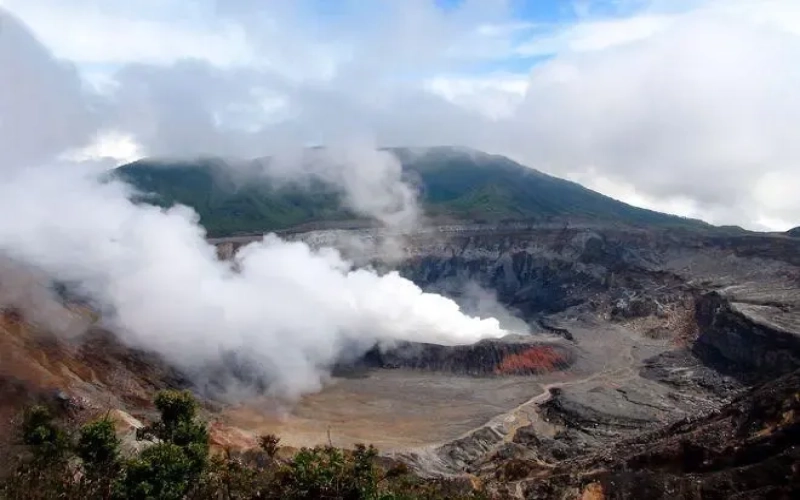
Costa Rica's Poás Volcano Sees Strongest Eruption in Nearly Five Years, Ash Fall Affects Residents' Lives and Coffee-Growing Regions
On April 2, the Poás Volcano in Costa Rica experienced its largest eruption in nearly five years, with an ash column reaching 600 to 800 meters above the crater, posing a threat to local residents' lives, air quality, and crops such as coffee. Poás Volcano National Park has been temporarily closed, and several coffee-producing regions around the volcano, including the well-known Central Valley, also face potential impacts from volcanic ash. At the same time, drought and frequent fires triggered by El Niño have further intensified pressure on local agriculture. This article will review the specifics of this volcanic eruption, its impact on the coffee industry, and the outlook for Costa Rica's coffee exports. [more…]
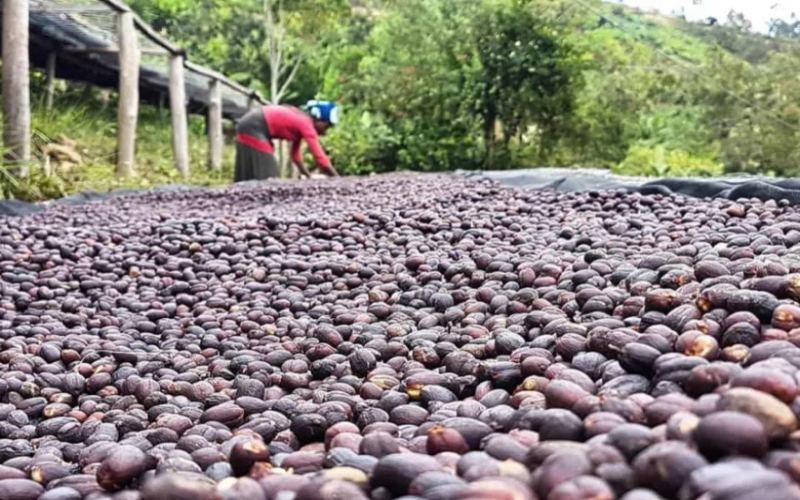
Finca El Fuego: Naturally Processed Geisha Grown in Volcanic Ash Soil
In the 2025 Best of Panama Natural Geisha category, Finca Los Cenizos placed second with 96.25 points, behind only Hacienda La Esmeralda's 97-point lot. The estate's name, Cenizos, literally translates to "ashes," evoking [more…]
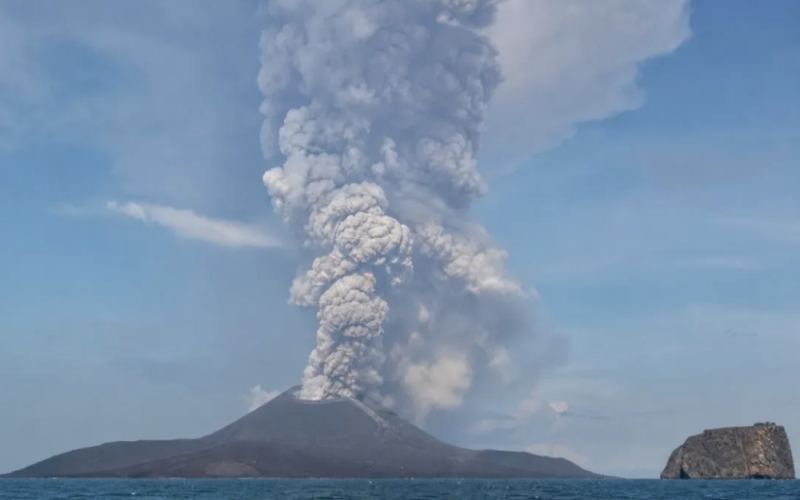
Indonesia's Anak Krakatoa Volcano Erupts Massively, Multiple Airports Forced to Shut Down
Around September 7 local time, the Anak Krakatau volcano in Indonesia (commonly known as the "Child of Krakatau") remained highly active, with ash plumes surging as high as about 50,000 feet (roughly 15,000 meters), reaching the cruising altitude of commercial airliners. [more…]
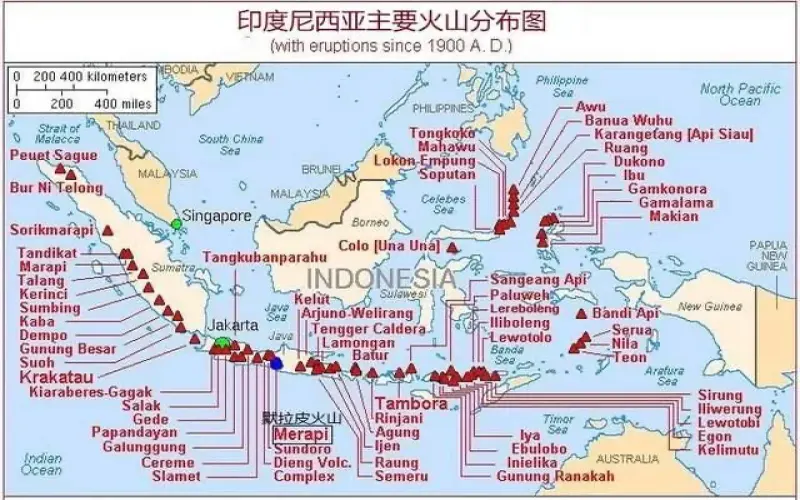
Multiple volcanoes in Indonesia erupt in succession, alert level raised to maximum, Robusta coffee production may decline significantly
Indonesia is located at the junction of multiple geological plates and has the largest number of active volcanoes in the world, with 127 active volcanoes within its territory. Recently, multiple volcanoes in the country have erupted intensively, and authorities have raised the alert level to the highest. Volcanic activity not only threatens the safety of local residents, but also poses serious risks to agriculture, including coffee. The current period coincides with the Robusta coffee harvest, and some producers expect output on certain islands to decrease by 20%, while total national production may fall by 50%. Combined with tight global inventories caused by drought in Vietnam, Robusta coffee prices may be pushed further higher. This article will review the specific details of these volcanic eruptions and their potential impact on the coffee industry. [more…]
A Complete Flavor Analysis of Guatemala Antigua La Flor Coffee Beans: The Taste Profile of a Central American Specialty Coffee Nurtured by Volcanic Soil
Guatemala is located on the Central American isthmus. With its highland terrain shaped by volcanic ranges and mineral-rich volcanic ash soil, it has become the world's ninth-largest coffee producer. Among its seven major producing regions, Antigua stands out in particular—a valley surrounded by three volcanoes, abundant sunshine, and cool nights together create a unique microclimate. This article will guide you through an in-depth understanding of the natural conditions of the Antigua region, analyze the cupping performance of local coffee beans, and introduce the elegant sweetness and balanced mouthfeel presented by Flor del Café coffee beans. Whether you are a coffee enthusiast just starting out or a connoisseur pursuing flavor details, you will be able to feel the unique charm that this volcanic land imparts to coffee. [more…]
A Guide to the Specialty Coffee Bean Regions of Five Central American Countries: El Salvador, Nicaragua, Honduras, Guatemala, and Panama
Central America is a key region in the world of specialty coffee, where volcanic ash soils and shade-grown cultivation give rise to high-quality Arabica beans with distinct styles. This article will guide you through the coffee-producing regions, varietal composition, and flavor profiles of five countries—El Salvador, Nicaragua, Honduras, Guatemala, and Panama—and include Front Street Coffee's V60 three-pour brewing parameters. Whether you are looking for an everyday staple bean or exploring competition-grade specialty coffee, this guide offers a clear reference framework. [more…]
Peruvian Volcanic Eruption Compounded by Mercury Pollution, Alarm Bells Ring for Coffee Growing Environment
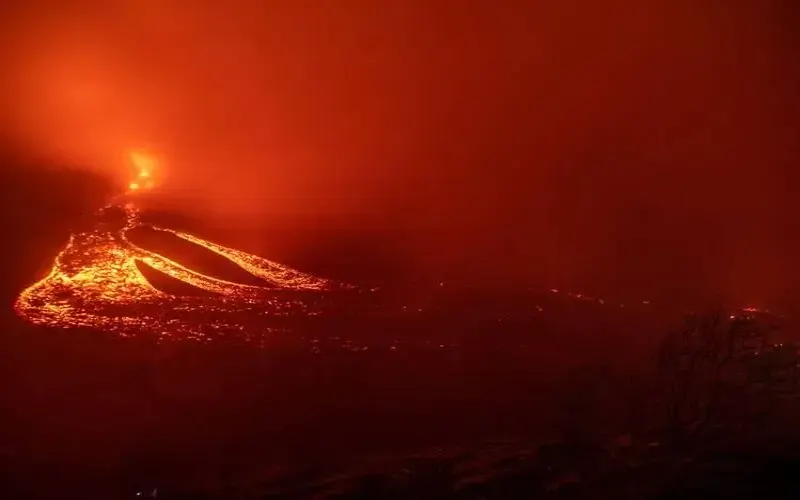
Peru, a South American coffee-producing country, has recently been hit by a series of natural disasters and environmental crises. The Sabancaya volcano in the south has entered an orange alert level, and ash from frequent eruptions is severely affecting nearby farms and pastures; meanwhile, the provinces of Huancavelica and Cusco have been declared in a state of environmental emergency due to heavy metal mercury contamination. Both regions have coffee cultivation, and mercury contamination not only inhibits crop growth and reduces agricultural product quality, but may also trigger labor shortages. The Peruvian government has already launched response measures, but concerns within the industry about coffee production and quality are rising. [more…]
Costa Rican Coffee Flavor and Mouthfeel Analysis: Honey Processing Grades and Tarrazú Region Characteristics
Costa Rica, with its volcanic ash soil, mild climate, and abundant rainfall, has become an important origin on the global specialty coffee map. Its coffee beans are all Arabica varieties, known for their pure aroma, balanced acidity, and smooth mouthfeel. The Tarrazu region is even recognized worldwide as a source of high-quality coffee. This article will systematically review the flavor characteristics, taste performance, historical context, and growing conditions of Costa Rican coffee, with a focus on introducing the classification of honey processing levels. It will also recommend related products from Front Street Coffee, providing coffee lovers with a complete flavor guide. [more…]
A Full Analysis of the Volcanic History Behind Guatemalan Antigua Coffee and Specialty Pour-Over Parameters
The ancient city of Antigua Guatemala is a jewel among World Heritage sites, and its coffee industry is inextricably linked to the activity of the surrounding active volcanoes. This article begins with the historical origins of Front Street Coffee's Guatemala Antigua, traces the long entanglement between this ancient city and the Fuego volcano, and provides an in-depth analysis of how volcanic ash soil nurtures the world's finest Bourbon coffee. At the same time, the article will share Front Street's recommended pour-over parameters—coffee-to-water ratio, grind size, water temperature, and the three-stage extraction method—to help coffee lovers brew a full-flavored cup of Antigua coffee at home. [more…]
An In-Depth Analysis of Coffee from Panama's Boquete Region: From the Legend of Geisha to the Butterfly Blend
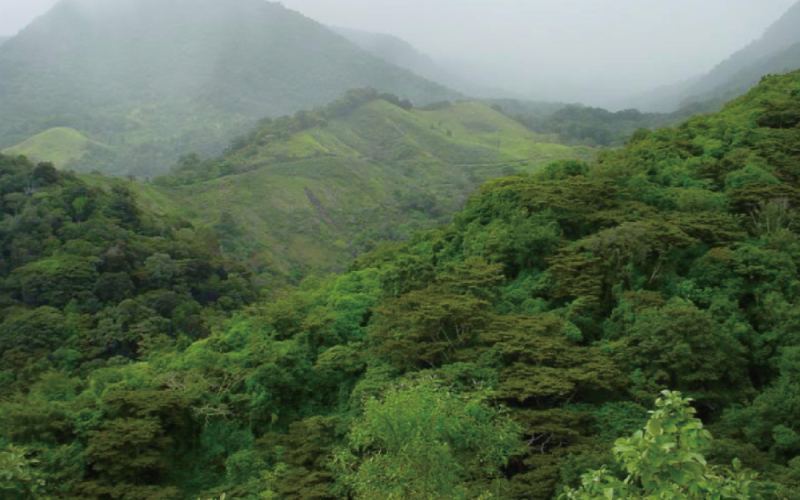
Panama coffee occupies a pivotal position in the international specialty coffee landscape, especially the Geisha variety, which completely rewrote the coffee world's perceptions after Hacienda La Esmeralda won the BOP competition in 2005 and fetched record-breaking auction prices. Panama is located on the Central American isthmus, where unique geographical and climatic conditions provide an ideal environment for coffee cultivation, and the Boquete region in particular has become the cradle of top-tier coffee thanks to its volcanic ash soil, high altitude, and microclimates. This article will take you through an in-depth look at Panama's coffee terroir, Boquete's growing advantages, and the evolution of Geisha from mixed cultivation to separation, while also introducing two Geisha blend beans sold by Front Street Coffee — Strawberry Candy and Butterfly, and sharing the specific brewing performance of Butterfly. [more…]
Front Street Tanzania Kilimanjaro Coffee Beans: An Analysis of African Specialty Flavor Nurtured by Volcanic Soil
Kilimanjaro coffee gained widespread fame thanks to Hemingway's classic novel and is the top representative of Tanzanian coffee. This Front Street Tanzania Kilimanjaro coffee grows in the volcanic ash soil of Africa's highest peak, with plump and uniform bean shape, gray-green raw beans, and after medium roasting it reveals sweetness and a refreshing acidity. It has a soft acidity and a charming aroma, and together with Blue Mountain and Mocha it is known as the "Three Musketeers of Coffee," hailed as the coffee with the most African character. This article will take you through its origin background, grade classification, processing methods, and flavor characteristics, to experience the unique coffee charm from the snow-capped peak on the equator. [more…]
El Salvador Apaneca-Ilamatepec Region Analysis: Volcanic Soil, Historical Changes, and Finca El Angel
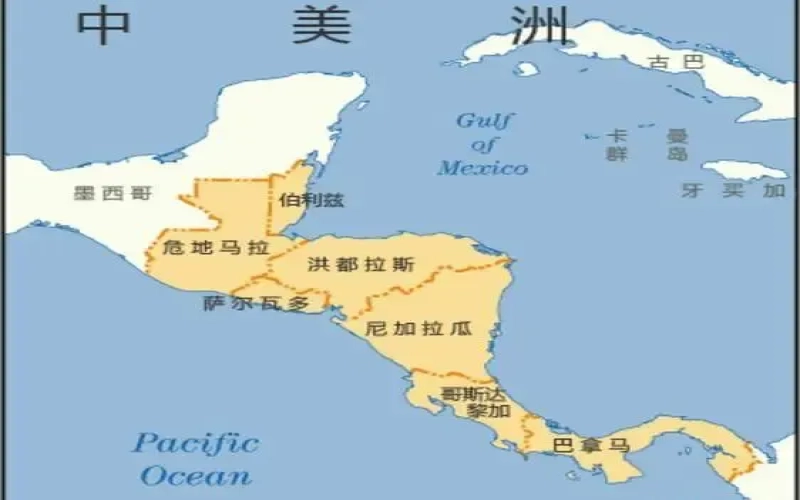
Among the many coffee-producing countries in Central America, El Salvador may not stand out in terms of volume, yet its volcanic ash soils and diverse microclimates give rise to a highly distinctive flavor profile. This article begins with the historical context, tracing how coffee replaced indigo as the backbone of the nation's economy and, after civil war and land reform, shifted toward competing on quality. The focus then turns to the largest producing region in the west, Apaneca-Ilamatepec, interpreting the high-altitude growing conditions around the Santa Ana volcano and the ecological value of shade cultivation, and introducing the varietal layout and terroir characteristics of Angel Estate, this year's COE Natural category runner-up. Front Street Coffee will also combine the region's characteristics to offer enthusiasts some reference ideas on bean selection and brewing. [more…]
The Coffee Gem of Central America, Guatemala: A Complete Flavor Analysis of Seven Major Producing Regions from the Highlands of Huehuetenango to Classic Antigua
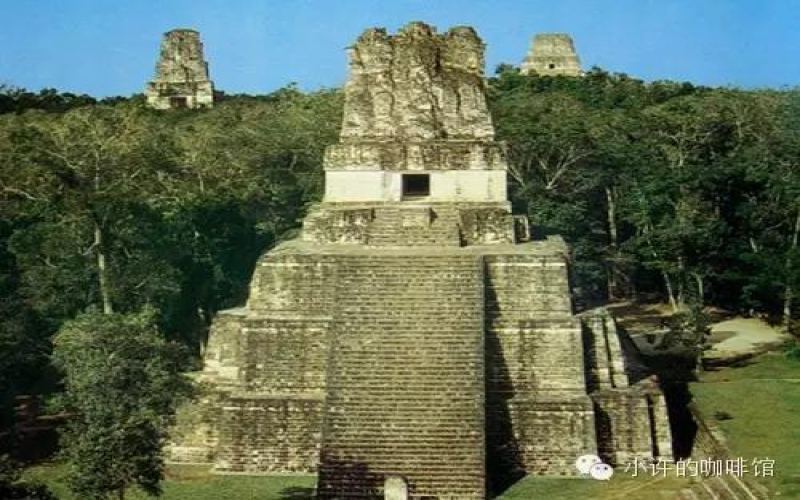
Guatemala, a Central American country whose name means "land of forests" in Mayan, is not large in territory, yet thanks to its volcanic soil, varied climate, and high-altitude environment, it has become the world's eighth-largest coffee producer. This article will take you through the history and grading system of Guatemalan coffee, analyze the seven major specialty regions one by one, and focus on the two star origins: Huehuetenango and classic Antigua. You will experience the signature floral notes, bright acidity, and bittersweet chocolate of Front Street Guatemalan coffee, as well as Antigua's unique "volcanic smokiness," while also learning how the choice of roast level affects its flavor expression. [more…]
Where Does the Aroma of Colombia Rose Valley Coffee Come From? Analyzing the Role of Volcanic Soil and Anaerobic Enzyme Washed Flavor Formation
Front Street Colombia Rose Valley has become a highly talked-about coffee on the bean list thanks to its signature flavors of peach, cranberry, liqueur chocolate, and rose florals. Where exactly does its intense aroma come from? Is it a flavored bean? This article traces the real causes of Rose Valley's flavor step by step, from the volcanic soil of the Santander growing region and the characteristics of the Caturra variety to the anaerobic enzyme washed processing method that rose to prominence after 2014, and includes Front Street Coffee's in-store V60 brewing parameters and three-pour extraction steps to help you recreate at home that cup combining berry-like acidity with caramel sweetness. [more…]
An In-Depth Analysis of the Guatemala Antigua Coffee Region: Volcanic Soil, Bourbon Variety, and a Distinctive Smoky Flavor
The Antigua region of Guatemala is renowned worldwide for its exceptional quality and layered flavors, where chocolatey sweetness intertwines with elegant acidity, and the distinctive smoky note in the finish is endlessly memorable. This land boasts over 300 microclimates and fertile volcanic soil, providing uniquely favorable conditions for coffee cultivation. Antigua primarily grows the Bourbon variety, and the high altitude with large temperature swings between day and night allows the coffee cherries to accumulate more sugars, extending the maturation period and making the flavor increasingly complex and rich. This article will guide you into the terroir secrets of the Antigua region, from volcanic ash soil to the flavors in the cup, exploring the mysteries of this fine brew. [more…]
A Detailed Guide to Colombian Coffee Regions and Grading System: From Supremo to Huila Specialty Flavor
Colombia, with the mild climate of the Andes, abundant rainfall, and volcanic ash soil, has become an important producer of high-quality Arabica coffee worldwide. Coffee within the country is graded by bean size: beans above 17 mesh are classified as Supremo specialty grade, while 14–16.5 mesh is commercial Excelso. Beans from the central MAM region are smaller, with pronounced fruit acidity but weaker complexity and body; the southern provinces of Huila, Cauca, and Nariño, at altitudes above 1,500 meters, produce large beans with refined acidity, berry sweetness, and a caramel finish. All Colombian beans from Front Street Coffee are sourced from the south, with the Huila region being especially favored. This article will systematically outline the grading logic and regional differences of Colombian coffee, and include the specific brewing parameters for Front Street Huila Caturra. [more…]
A Complete Guide to Colombian Specialty Coffee Regions: From Grading Standards to Huila Flavor and Pour-Over Parameters
Colombia, supported by the mild climate of the Andes, abundant rainfall, and fertile soil nourished by active volcanoes, has become a key origin for specialty coffee worldwide. Although only Arabica varieties are grown within its borders, the bean size and flavor differ significantly from region to region, giving rise to grading systems such as Supremo, Excelso, and Extrac. The MAM production area in the central and northern regions offers bright fruit acidity but slightly less complexity, while southern provinces such as Huila, Cauca, and Nariño, due to their high altitude and thick volcanic ash, produce plump beans with refined flavors, highlighted by berry-like sweet acidity and a caramel finish, making them the core source of specialty beans. Front Street Coffee's Colombian beans for sale are all sourced from the south, with Huila as the representative, using medium-dark roasting and washed Caturra, paired with a three-stage V60 pour-over, to present a clean and full-bodied cup. [more…]
An Analysis of Coffee from Guatemala's San Marcos Volcano Region: Unique Flavors and Growing Conditions Under Extremely High Rainfall
The San Marcos volcanic region is known among Guatemala's eight major coffee-producing regions for having the highest rainfall and the warmest climate. Volcanic ash from the active Santiaguito volcano makes the soil exceptionally fertile, while abundant rainfall and an earlier flowering season give the coffee beans here a distinctive character. This article provides an in-depth introduction to the growing environment, processing methods, and flavor profile of the San Marcos region, along with Front Street Coffee's flavor interpretation of beans from this region, taking you through a comprehensive understanding of this remote and unique coffee paradise. [more…]

A Comprehensive Analysis of the Terroir Conditions and Cupping Flavors of the Guatemalan Antigua Coffee Region
The Antigua Valley is one of Guatemala's most iconic coffee-producing regions, surrounded by three volcanoes—Agua, Acatenango, and Fuego—which create a unique enclosed valley microclimate. Rainfall here is scarce, but the soil's abundant pumice content keeps humidity stable at around 65% year-round, compensating for the lack of rain. Most coffee trees are planted in the heart of the valley at elevations above 1,500 meters, with some farmers pushing cultivation as high as 1,700 meters. Fertile volcanic ash, ample sunlight, and cool nights together shape the refined, balanced style of Antigua coffee. This article will provide a detailed interpretation of the terroir code of this region, along with specific cupping data and flavor descriptions, to give you a comprehensive understanding of the unique charm of Antigua coffee. [more…]
The Rise of Colombia's Coffee Industry and an Analysis of Its Main Producing Regions: From Conflict to a Specialty Coffee Powerhouse
South America, with the volcanic fertile soils and tropical climate of the Andes, has nurtured major coffee-producing countries such as Brazil and Colombia. Among them, Colombia stands out as the world's third-largest coffee producer. Its western region is crossed north to south by three cordilleras, with numerous volcanoes, high-altitude mountains, and diverse climates providing ideal conditions for coffee to ripen year-round. However, Colombia's coffee industry has not had a smooth journey. After coffee was introduced in the 18th century, it suffered severe setbacks due to the wars of the 19th century. Only after the postwar land reforms and the efforts of the National Federation of Coffee Growers of Colombia (FNC) did it become a pillar of the national economy. Among the country's 15 producing regions, Huila is known for its canyon terrain, volcanic ash soil, and consistent quality. Front Street Coffee's washed Huila is a representative entry-level selection, while renowned estates such as Finca La Divisa and Roble Estate continue to write new chapters in specialty coffee. [more…]